Designing a Combined Tanzania Safari and Zanzibar Beach Holiday
Why Combine a Safari with a Beach Stay?
For many travelers, the idea of a Tanzania safari and Zanzibar is appealing because it brings together two very different experiences: the thrill of wildlife viewing in vast savannahs and the relaxation of a tropical island. Instead of choosing one or the other, a combined itinerary lets you see iconic animals and then unwind on white sand beaches. This type of trip works well for those who want variety and are comfortable with a bit of planning.
The key is to arrange the logistics so that the transition from safari to coast feels smooth, not rushed. Many tour operators now offer packages that handle the connections between parks and the island. A common approach is to start with several days on a wildlife circuit and then fly to Zanzibar for the final part of the holiday. This order means you are not trying to squeeze a safari into the last days before your international flight.
Understanding the Safari Side
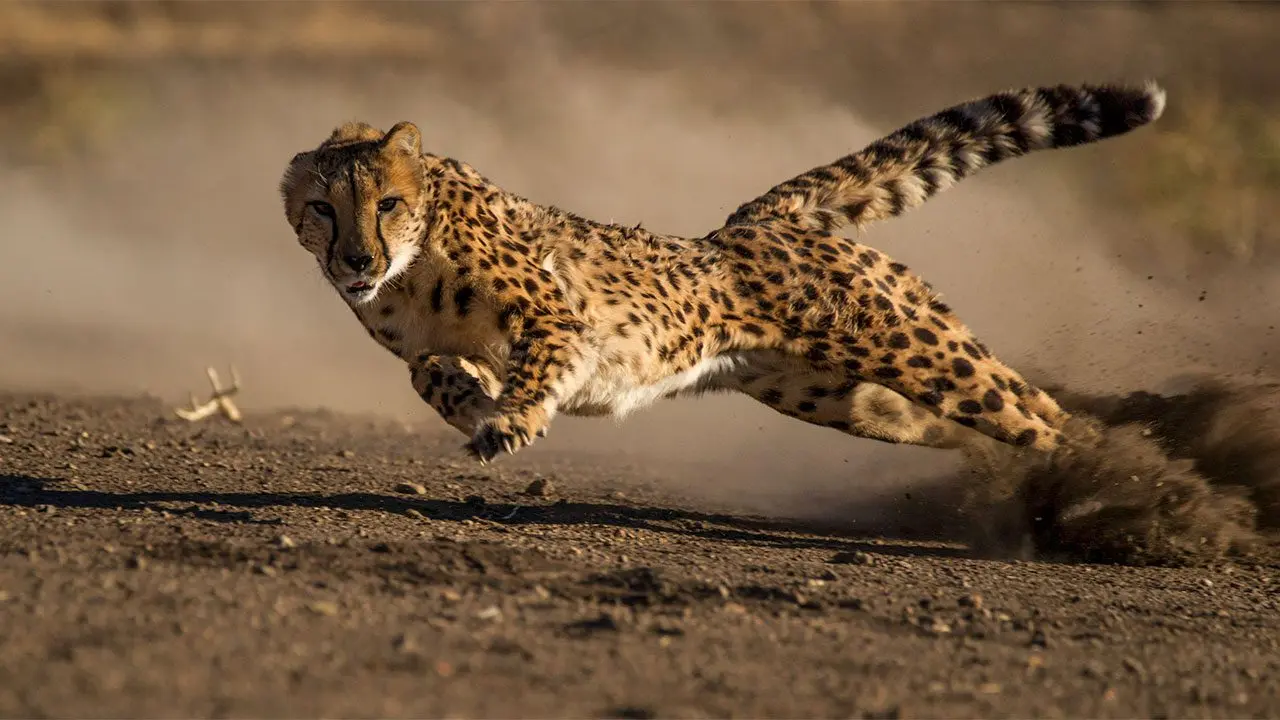
Northern Tanzania is home to some of Africa's most famous game-viewing areas. The Serengeti ecosystem, with its endless plains and seasonal migrations, is a highlight for anyone interested in big cats, elephants, and giraffes. Close by, the Ngorongoro Crater offers a concentrated wildlife experience inside a volcanic caldera. A typical safari from Arusha or Kilimanjaro airport covers these two locations, plus Tarangire or Lake Manyara, over four to seven days.
For travelers based on Zanzibar, there is an option to join what is called a Serengeti fly-in safari. This involves a short flight from Zanzibar to the Serengeti, bypassing the long drive through the rest of the country. A fly-in safari saves time and reduces travel fatigue, but it also means you see less of the landscape between parks. It is a good choice if you have limited days or prefer to maximize time actually watching animals rather than sitting in a vehicle.
When planning a combined trip, consider the pace. A safari involves early mornings, bumpy roads, and dust. After a few days of that, moving to a beach resort can feel like a reward. But if you reverse the order, the beach portion might feel too quiet after the excitement of the bush. Many travelers who do a Tanzania safari and Zanzibar combination prefer to end with the island for that reason.
What to Expect on Zanzibar
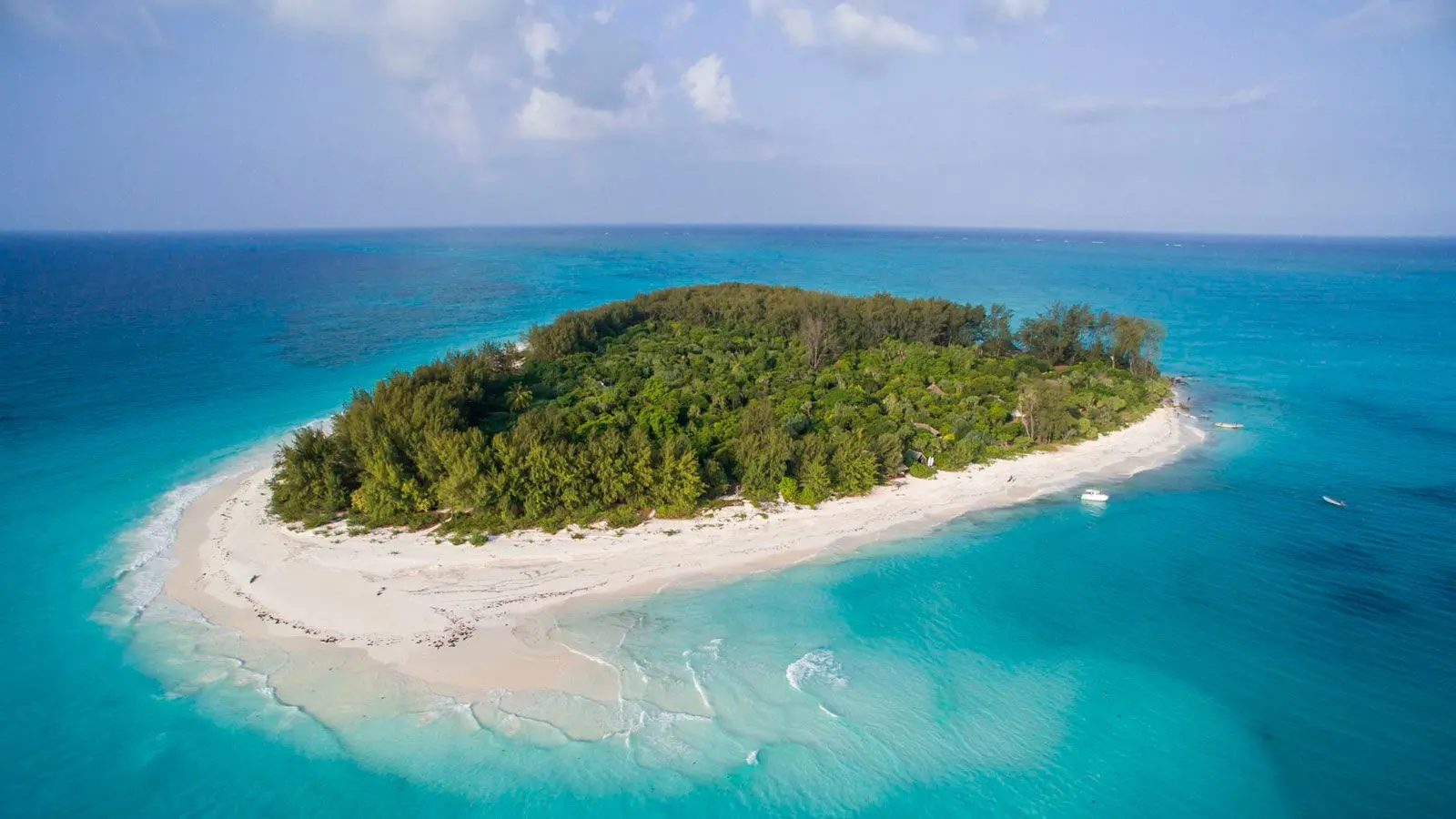
Zanzibar is not just a single beach. The island has different coastlines, each with its own character. The northeast coast, near Matemwe, offers calm waters and coral reefs, good for snorkeling. The southeast, around Paje, is windier and popular for kitesurfing. Stone Town, on the west side, is a historic port with narrow streets and spice markets. Most safari-and-beach combos include a few nights in a resort on the east or north coast, with perhaps a day trip to Stone Town.
Be aware that the rainy seasons differ between the mainland and the island. The long rains in Tanzania run from March to May, while Zanzibar has its own pattern with two rainy periods: the long rains from April to May and the short rains from October to November. If you are planning a combined itinerary, check the weather for both regions at your travel dates. The best overlap for good conditions on both sides is usually June to September or December to February.
Practical Logistics for the Combo
Getting from the safari circuit to Zanzibar requires a flight. Most safaris end at Arusha or Kilimanjaro airports, and from there you can take a domestic flight to Zanzibar via Dar es Salaam or directly. Some itineraries include a road transfer to Dar es Salaam and then a ferry, but that takes a full day. A fly-in option that starts from Zanzibar and returns to the island after the safari is the most time-efficient.
When you book a combined Tanzania safari and Zanzibar package, confirm the transfer details. Ask whether the operator includes airport transfers on both ends, what the luggage limit is for small aircraft, and whether you can store extra bags. These details matter because safari lodges often have weight restrictions for bush planes, while beach resorts have no such limits. Packing light and leaving non-essential items in a stored bag can save hassle.
Another consideration is health. Tanzania requires a yellow fever vaccination if you are coming from an affected country, and malaria is present in both the mainland and Zanzibar. Talk to a travel clinic about prophylaxis and insect repellent. The safari areas are at moderate altitude, so dehydration is a risk; the coast is hot and humid. Drink plenty of water during both parts of the trip.
Choosing the Right Duration
A combined safari and beach holiday typically works best with at least ten days. A shorter trip can feel rushed, with too much time spent in transit. A common split is five days on safari and five days on the island. That gives enough time to see the main parks and also relax on the beach. If you have only a week, a fly-in safari from Zanzibar that includes two nights in the Serengeti and then returns to the island for the remaining days is a practical option.
Longer trips allow you to add more parks or to include activities like a spice tour or a dhow cruise. They also give buffer days in case of flight delays. Weather can affect small aircraft schedules, so a flexible itinerary is wise. Some travelers choose to spend the last night in Stone Town to be close to the airport for an early departure.
What to Pack and Expect
Packing for two climates requires some thought. For the safari, bring neutral-colored clothing, a sun hat, binoculars, a camera with a zoom lens, and comfortable walking shoes. The mornings and evenings can be cool, so a fleece or light jacket is useful. For the beach, pack swimwear, sandals, sunscreen, and a cover-up. Remember that Zanzibar is a Muslim society; outside resort areas, modest dress is respectful, especially in Stone Town.

The atmosphere shifts dramatically between the two parts of the trip. On safari, the focus is on nature and observation, with set meal times and game drives. On Zanzibar, the pace is slower, with more freedom to choose your activities. Some people find the contrast refreshing; others miss the structure. Knowing what to expect helps you adjust your mindset.
Final Thoughts on Planning
A combined itinerary that includes both wildlife and beach can be a memorable way to see Tanzania. The key is to treat each part with respect for its own rhythm and not to overstuff the schedule. Leave room for spontaneous moments, like a giraffe crossing the road or a sunset dhow sail. The phrase Tanzania safari and Zanzibar describes a classic combination, but each traveler's version will be different based on timing, budget, and interests. With good planning and realistic expectations, the pairing works well for a wide range of travelers.